Jake Tan / Computational object / 2026

LEDS-GO8

Interactive model unavailable.

View the project
Display8 × 8 RGB
Behaviors08
Edition128
ProcessorESP32-S3

01 / The project

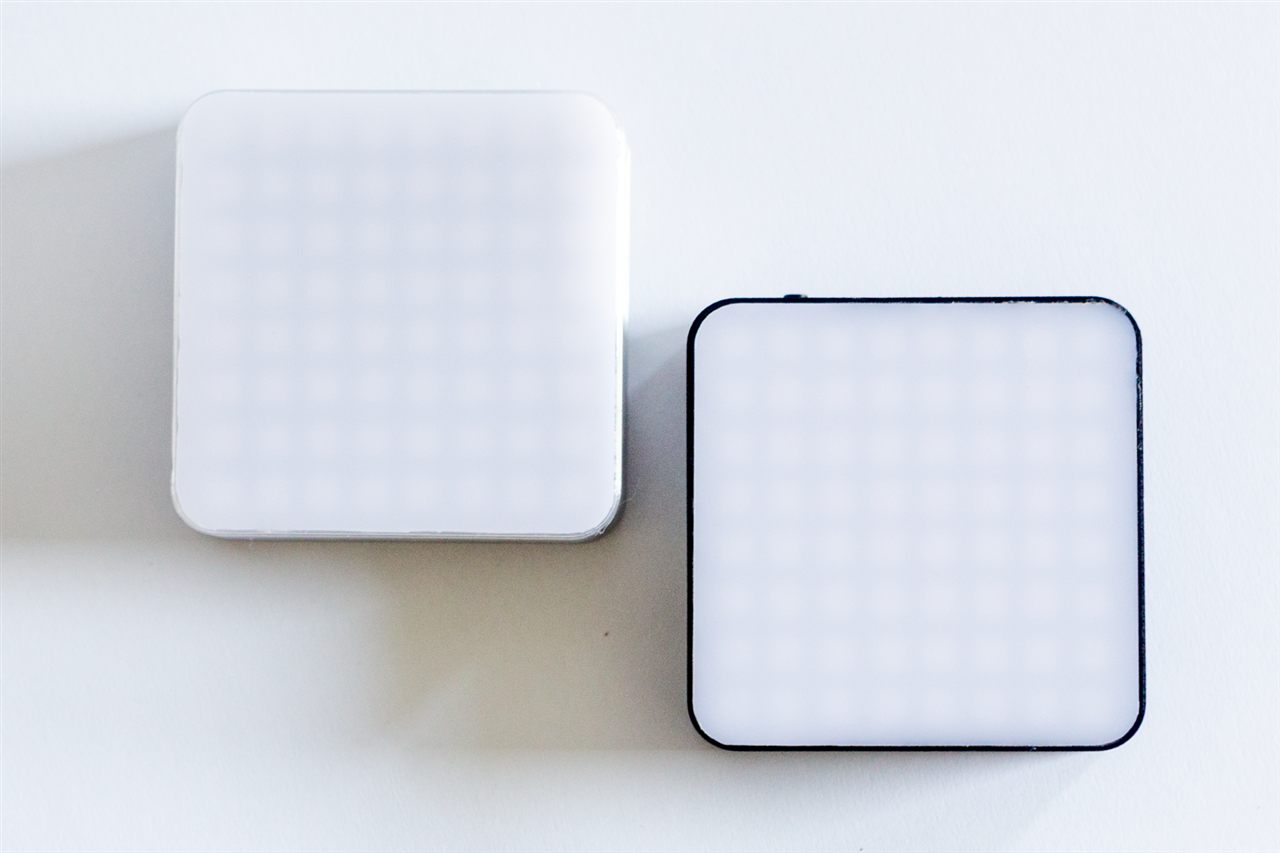
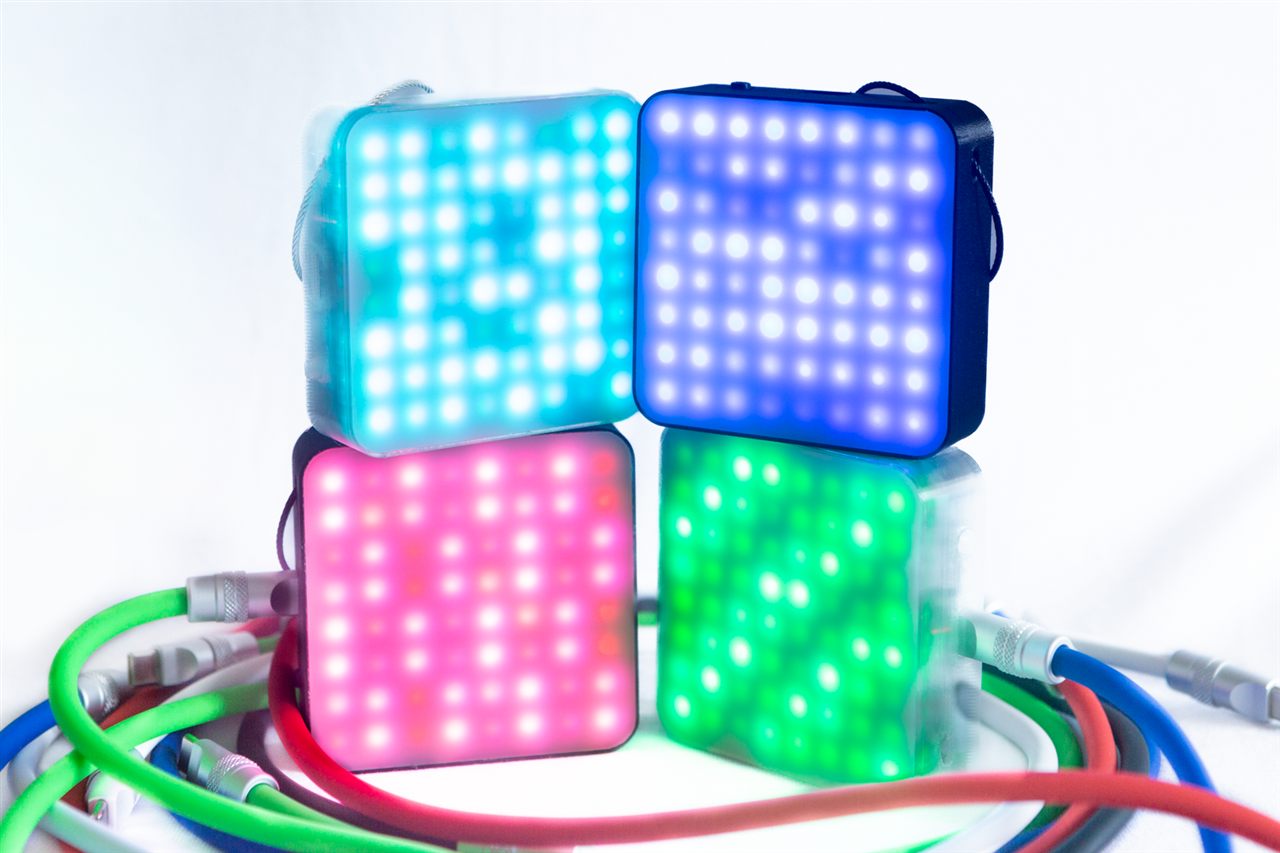
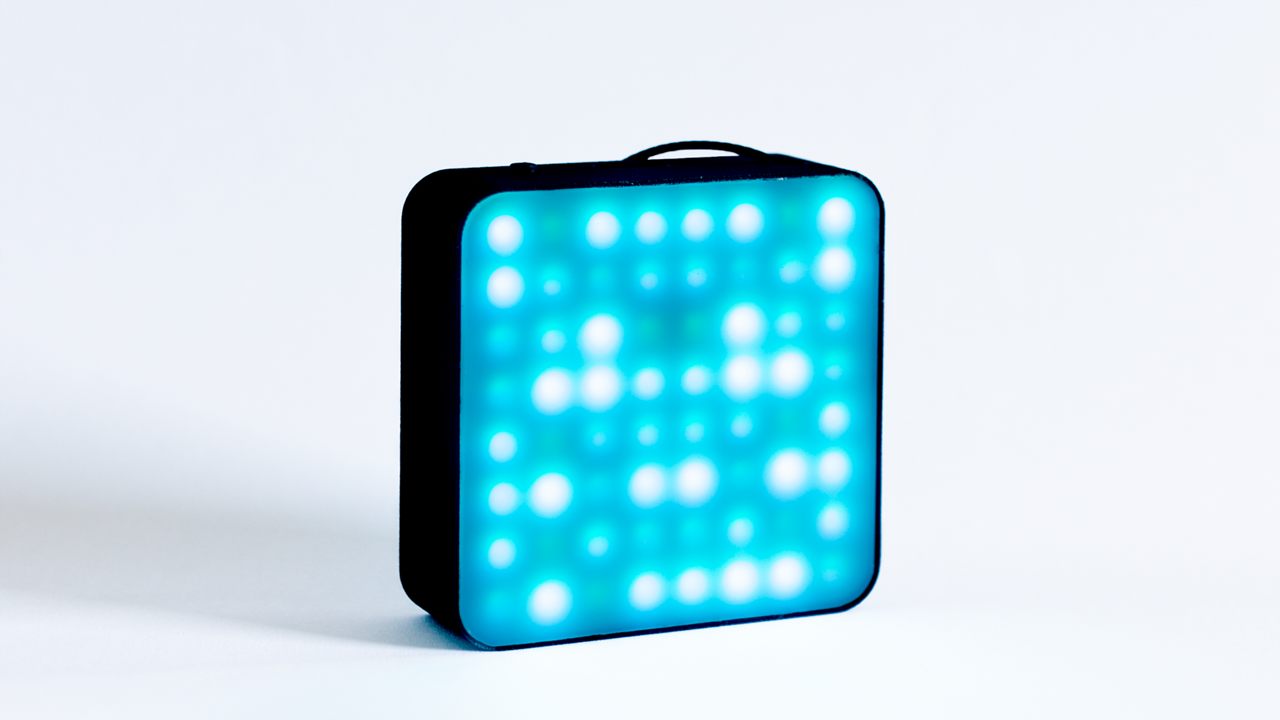
LEDS GO 8 is a collectible electronic artwork and platform for live computational patterns. Each unit contains a unique ID, or seed, that shapes how its algorithms behave over time. Across the edition, every LEDS GO 8 performs the same authored system differently. Activated by a shake, the object refreshes its state and selects one of eight built-in algorithms, generating a pattern unique only to that unit.

Buy now

Artist’s note

Algorithms are representations of the mechanisms through which we engage with physical reality, metaphysical mathematical models, and digital universes. As a new media artist, I have always been fascinated by how algorithms become containers for tools—and, in an artist’s hands, instruments for making, altering, and generating images. We watch algorithms be visually presented as static forms or unfold in real time, usually on screens, hidden behind computer interfaces and silicon, running out of sight beneath the display.

With LEDS GO 8, I want to bring these processes to the surface by giving them a physical body. An 8 × 8 matrix reduces an image to sixty-four points of light: a limited space in which an algorithm can move, repeat, interfere, reorganise, and evolve.

The LEDS GO series provides a platform for algorithms to become vectors of behaviour, made for the simple act of watching computation happen.
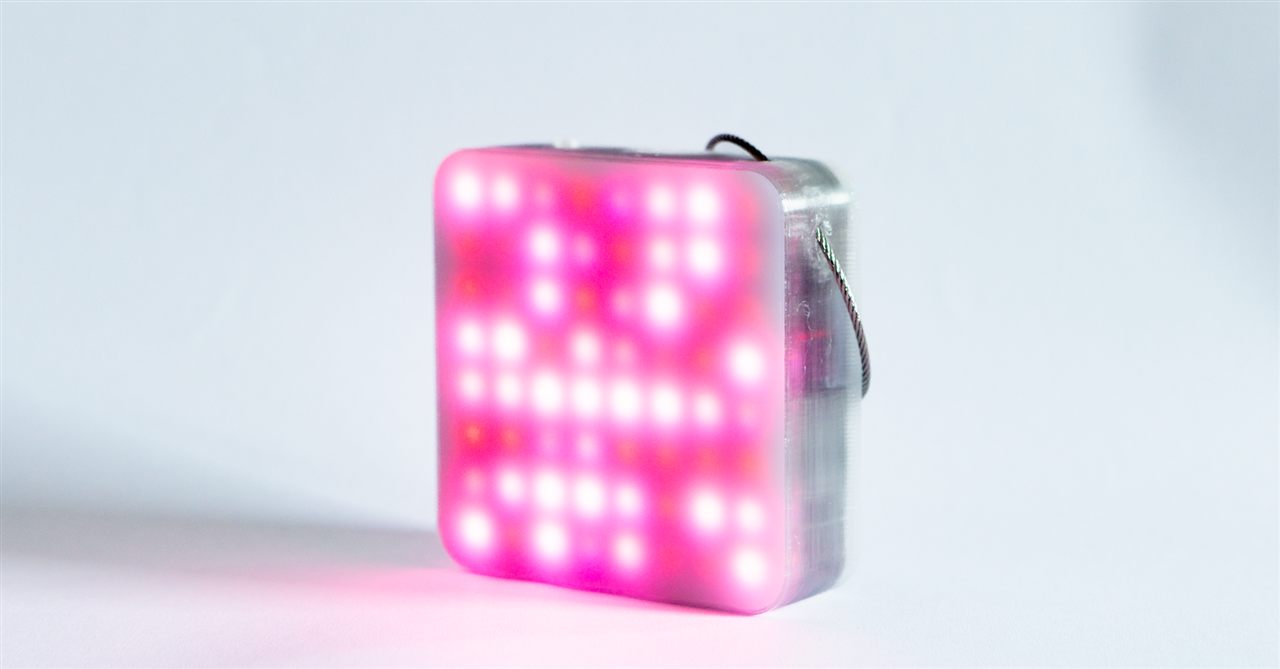
128 unique editions — each stored ID gives the same eight behaviours a distinct base hue and pace.

02 / 8 Algorithmic behaviours

Interference

Radial Interference

Two moving wave sources meet across the grid. Their overlap makes curved bands and shifting seams. A small field that can read as rings, crossings, or a moving surface.

I = ½[cos(1.45r₁ − t) + cos(1.45r₂ + t)]

Source / lineageWave superposition, from Huygens through Young.

Select a pattern to read it.All eight forms live inside every device. A shake refreshes the state and selects a new pattern without immediately repeating the current one.

Interactive model unavailable.

Drag to turn the model. Select a component to locate it.

04 / Collector tools

Know your
object.

Use USB-C to inspect the object’s edition ID, permanent seed, case finish, hardware profile, and current algorithm state.

Read-only: the panel does not change the device.

Device identity

Collector profile

Identify your device.

Connect a LEDS-GO object to read its permanent edition identity and current artwork details. The panel does not change the device.

Connection method

USB and Bluetooth perform the same read-only INFO handshake. Bluetooth is available during the first 30 seconds after boot; USB serial remains available.
Available now

USB

Read the device profile through the ESP32-S3 serial connection.

Available in supported browsers

Bluetooth

Read the same profile through the device's short-range BLE connection window.

Checking browser support...
Device
Waiting for device
Connection
—
Edition index
—
Case color
—
Palette bias
—
Base hue
—
Current algorithm
—
Permanent seed
—
Accelerometer
—
Motion at handshake
—
Hardware profile
—
Build
—
Firmware
—

01 The connection sends only an INFO request. It cannot alter algorithms, colors, or firmware.

02 Powers of two are white; other odd editions are black, and other even editions are transparent.